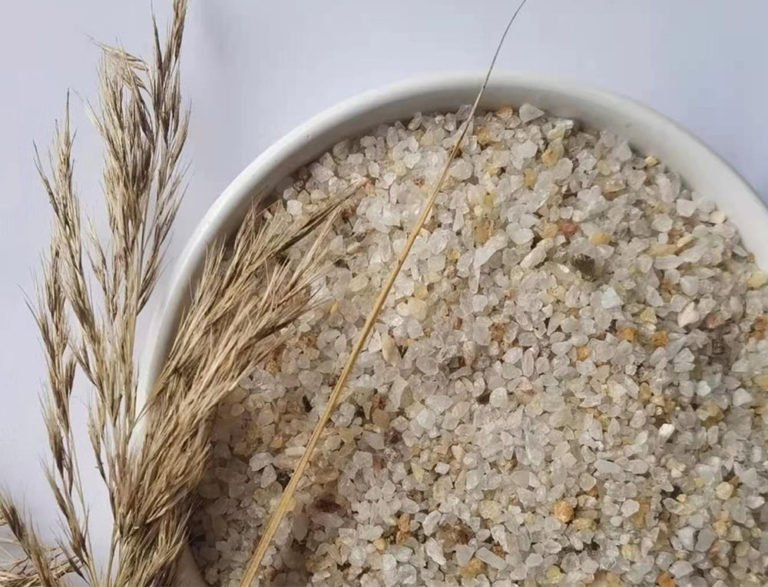
Silica Sand for Artificial Grass
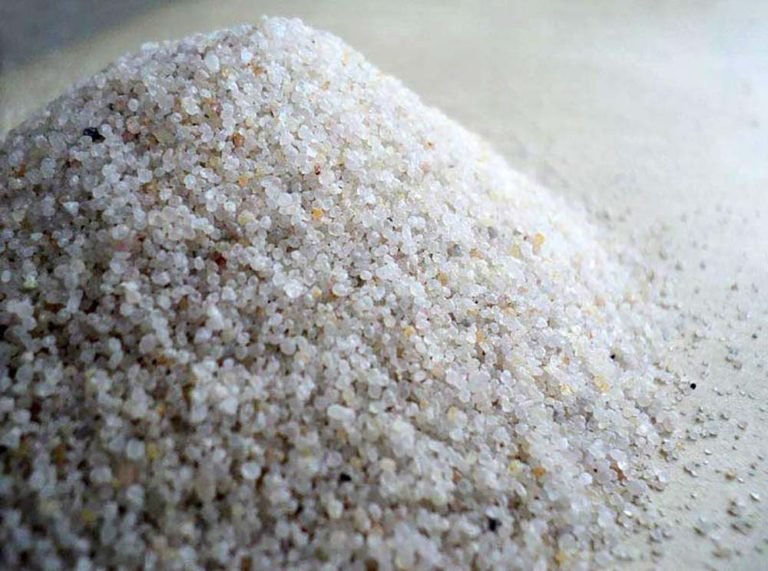
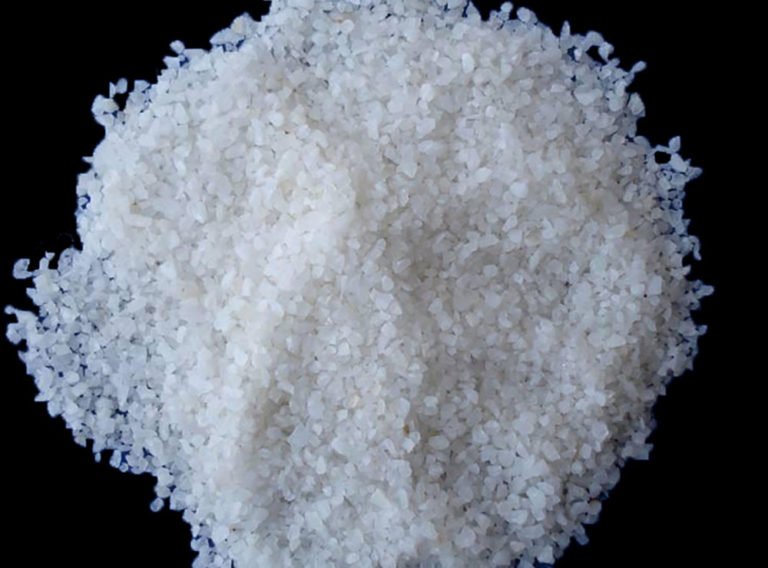
MiningValleys supplies natural silica sand for artificial grass, which is high graded, processed, and sieved for perfectly used in filling turf, football pitches, beach volleyball, tennis court, and tennis soccer.
Silica sand is processed in our own screening plant after Extracting and transported to our site for screening, in our site we can grade and meet all required practical sizes according to FIFA.



What Type of Sand for Artificial Grass Infill?
Not regular sand. Silica Sand!
Silica Sand Infill for Artificial Grass is specifically designed infill for artificial turf. It is easy to find and install this type of infill, making it popular for low-traffic areas that don’t take for beating, like a patio or a balcony, or unused areas of grass.
The Natural Color Sand is used as in infill for your synthetic grass. It is designed to be brushed evenly into the lawn in order to keep grass blades upright, and to weigh down the surface. Providing cushioning and increased longevity, it supports grass fibres.
Silica Sand will help your grass look more natural and plush for years to come. It will help the fibers perk up in a variety of directions to emulate the look of real grass.
Colors of Silica Sand Infill for Artificial Grass

Natural Silica Sand Infill 
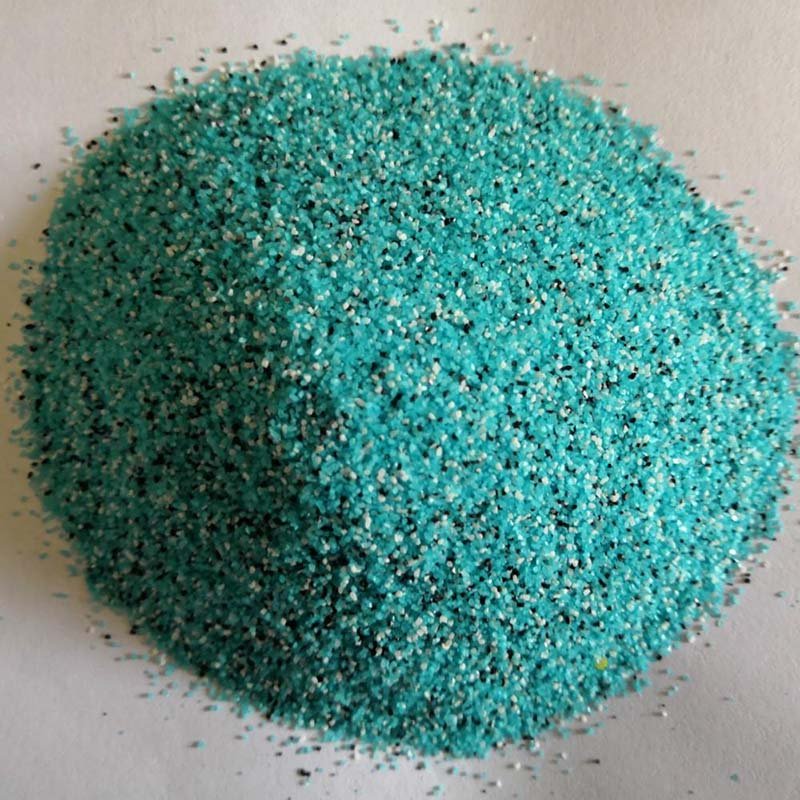
Natural Colored Sand Fill 
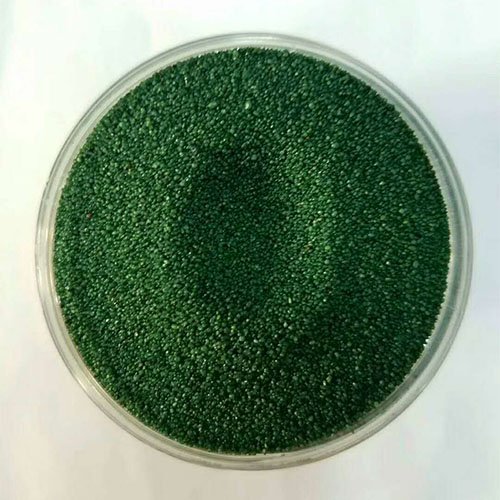
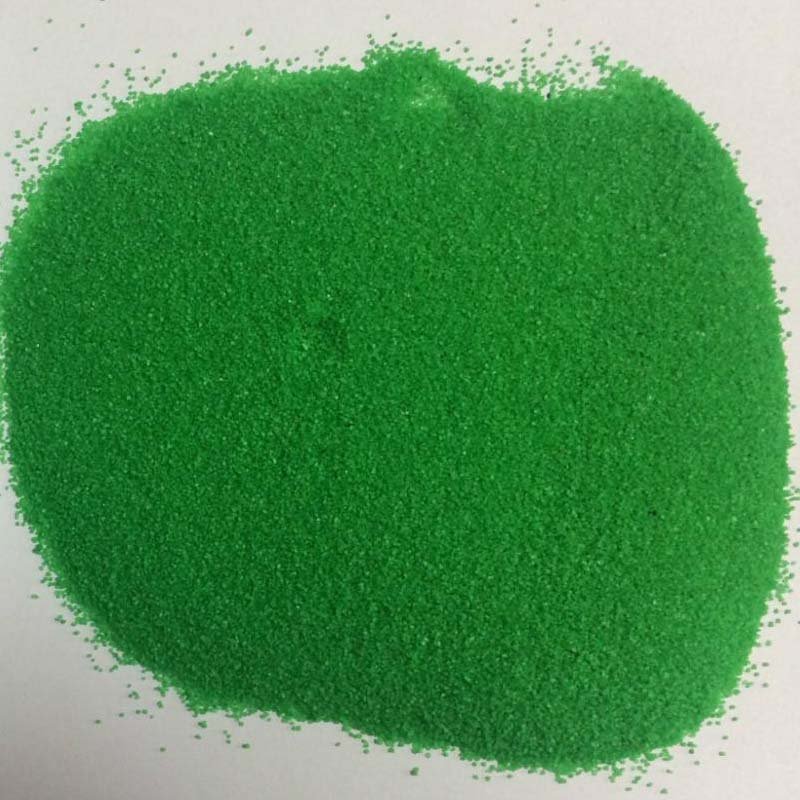
Artificial Colored Silica Sand 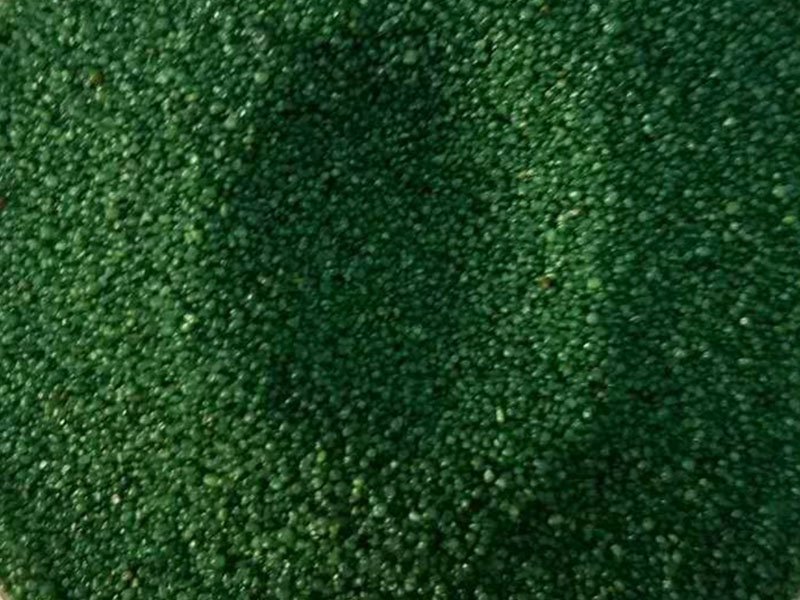
Round Green Sand Infill
Benefits of Silica Sand Fill
Sand infill for artificial grass absorbs shock, deters bacteria, and provides the same durability as crumb rubber, making it a great solution for playgrounds, pet areas, and yards.
Natural grass blades stand upright because their roots dig deep into the soil. This is what makes them stand up straight and remain stable even when pressure is applied. For this same effect, artificial turf requires infill, which is often either a type of sand or rubber, which gives it shape, stability, and uniformity. Silica sand infill surrounds the long blades of artificial grass and turly gives artificial turf the support and stability it requires to make it maintain the appearance of real grass.
Another function of silica sand infill is to weigh down the artificial grass. The extra weight means that the grass stays in place and doesn’t need to be fixed in any other way. As a result, no wrinkles or folds develop through use.
An additional benefit of filling with sand is that it helps make the grass more fire resistant, for example in case the barbecue is knocked over onto the grass.
Your artificial lawn will really be more attractive with sand fill. Not only does sand help the fibers stand up straighter, but by brushing in the sand, the fibers come to stand in different positions, which looks more natural. This benefit becomes more obvious over time. It slows the process of your lawn becoming flattened through walking.
What Size Silica Sand for Artificial Turf?
Generally, the silica sand granulation depend on the density of the synthetic grass, when the grass is quite dense ( more than 45000 stitches) we have to use the smaller granulation ( 0,5-0,7 mm) so that the sand can be placed into the grass pile – when the grass is very dense, the sand cannot be placed inside In case of lower density ( soccer – around 10 000 stitches), you can easily install the bigger granulation, but never higher than 1,5 mm ( even though some companies install even bigger – but it is not according to any standards or international requests).
Common sizes of silica sand for tennis and football artificial turf:
- Tennis: sand 0,4-0,8 mm (should not exceed 1,00 mm in any case).
- Football: 0,5-1,25 mm (should not exceed 1,50 mm in any case).
Common sizes of silica sand for filling beach volleyball:
Silica Sand for beach volley, normally here simply use the Sand from the beach on seaside (I suppose that should be the same granulation as for football synthetic grass).
Packing & Delivery

25kg Package 
Jumbo Bag Package 
Standard Wooden Pallet
- Package Details: 25kg (55lb)/bag, 40 bags packed in a 1000kg (2200lb) bulk bag or pallet. 1000kg (2200lb) jumbo bag or depending upon your customer’s requirement.
- Lead Time: 3-25 days after payment according to your order quantities.
- MOQ: 5 tons.
- Port: Tianjin port.