What is Fused Silica?
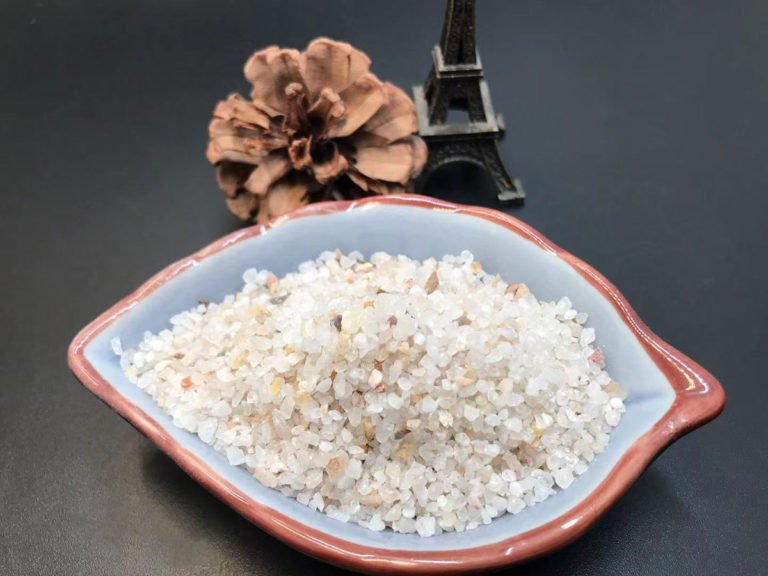
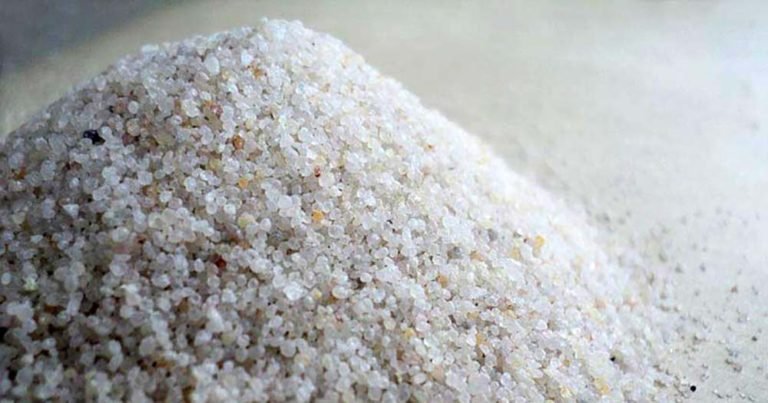
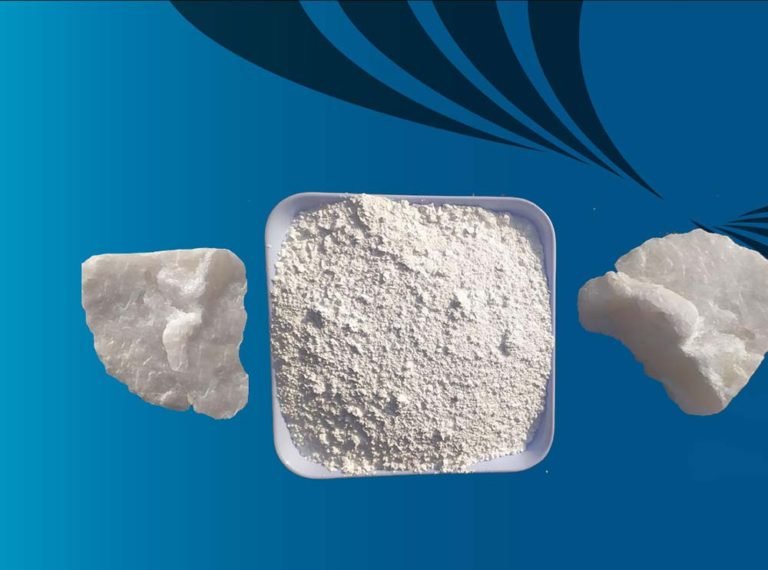
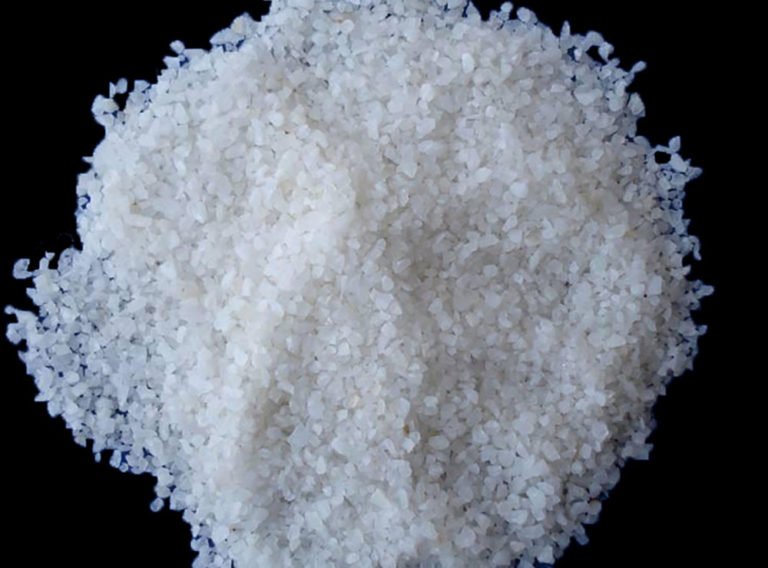
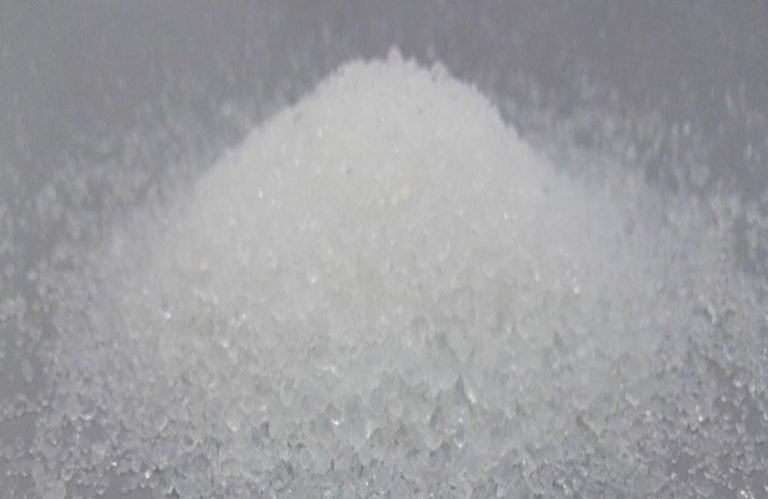
Fused silica is made of high purity crystal silica by electrically fusing (fusing temperature 1800-2000℃) to amorphous Silicon dioxide, then it was classed to different grades by manual and then specially engineered to granular and powder form. Fused silica in comparison to crystalline silica is purer and has lower specific gravity and linear coefficient of thermal expansion.
Fused Silica Key Feature
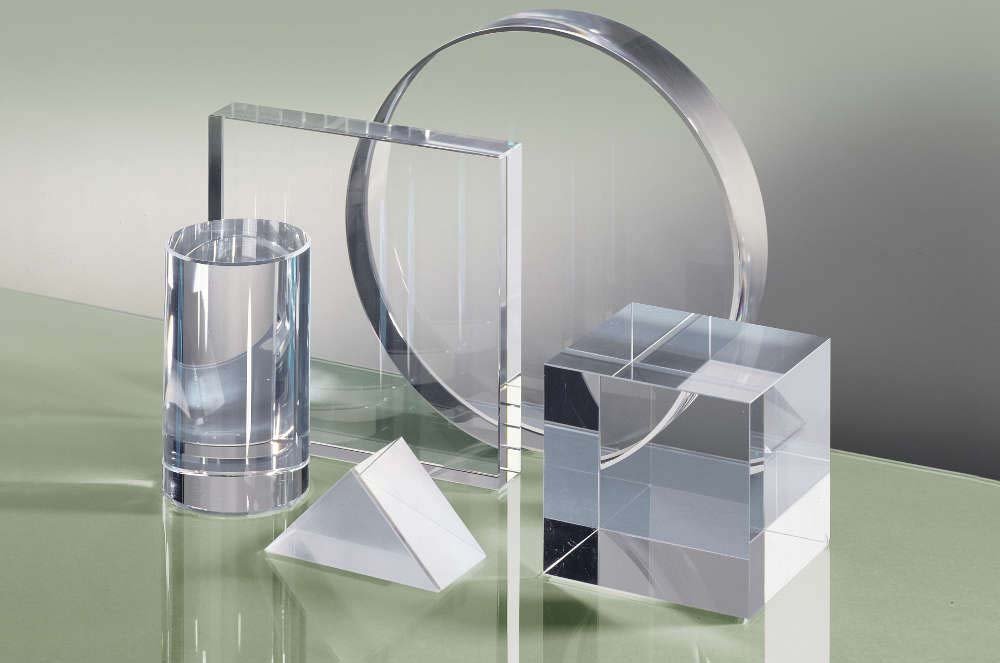
Fused Silica features an extremely low coefficient of thermal expansion, consistent chemistry, and carefully controlled particle size distribution. Because of the way fused silica is made, it has the superior ultraviolet performance to natural quartz and is ideal for applications such as UV transmitting optics.
Advantages of Fused Silica
A number of unique optical, mechanical, and thermal properties have made quartz glass an indispensable material in the fabrication of high-tech products. These properties are:
- High chemical purity and resistance
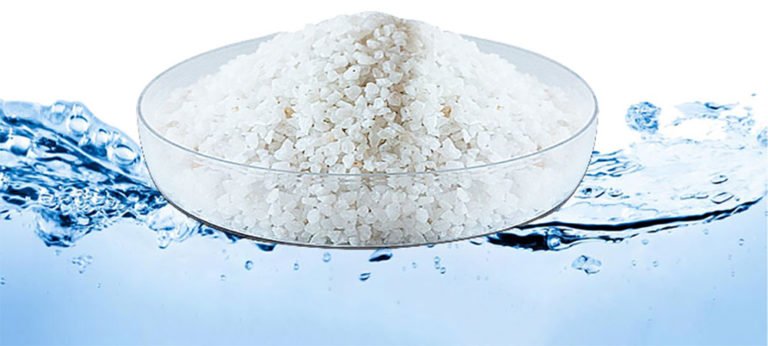
- Incredibly thermally shock resistant (can be taken from red heat and plunged into water without cracking).
- Low coefficient of thermal expansion.
- Good chemical resistance.
- High softening temperature and thermal resistance.
- Optical transmission properties from ultraviolet to infrared.
- High radiation resistance.
Applications of Fused Silica

fused quartz ceramic crucible 
fused silica optical window 
fused silica refractory brick
High volume stability, low volumetric expansion, and high purity make fused silica a very useful and versatile material for refractory applications, whether in aluminum launders or other highly cyclical applications.
- High-temperature lamp envelopes
- Used in precision casting.
- Refractories and optical glass manufacturing.
- Grinding wheel abrasives and high-quality glass production.
- Epoxy resin, pouring, quartz rubber, and other chemical industries.
- Temperature insensitive optical component supports.
- Lenses, mirrors in highly variable temperature regimes.
- Microwave and millimeter-wave components.
- Aeronautical radar windows.
Chemical Properties of Fused Silica
| ITEM | SIO2 | Fe2O3 | Al2O3 |
|---|---|---|---|
| Fused Quartz Sand | 99.6% – 99.9% | 0.008% | 0.04% |
| Mesh Size | 4-6,6-18,18-36,36-70,70-120,200,325,600,1000,2000,5000 | ||
Fusion Process

We strictly choose high purity natural silica sand in local Lingshou county (rich rock mining resources) as raw material. Electric fusion is the most commonly used melting process for manufacturing quartz glass. The melted sand becomes amorphous silicon dioxide glassy ingot after being fused at high temperature (2000 -2300) ℃ and cooling.
We further process the products into the lump, grain, and powder in accordance with the customer’s requirement.
Manufactured from high purity natural silica sand (SiO2>99%), our fused silica features high purity and electricity resistance, lowest thermal expansion, and exceptionally good thermal shock resistance. All these characteristics of fused silica, making it ideal for insulative applications, precision casting mold application, epoxy molding compound, refractory, ceramics, etc.
If you’re interested in ordering our fused silica sand or powder, get in touch with MiningValleys today to request for quotation.